The course consists of a common first year and two curricula starting in the second year:
- Management & Digitalisation: focused on digital production systems, data analytics, AI for decision-making, optimisation and risk management in industrial systems.
- Design & Sustainability: focused on product and process design, environmental sustainability assessment and responsible innovation in manufacturing systems.
Within each curriculum, you can customise their course in a flexible manner by choosing additional areas of specialisation. This page offers a general overview of the possible paths: the detailed structure and exact list of elective courses are defined each year in the Educational offer.
Profili personalizzati
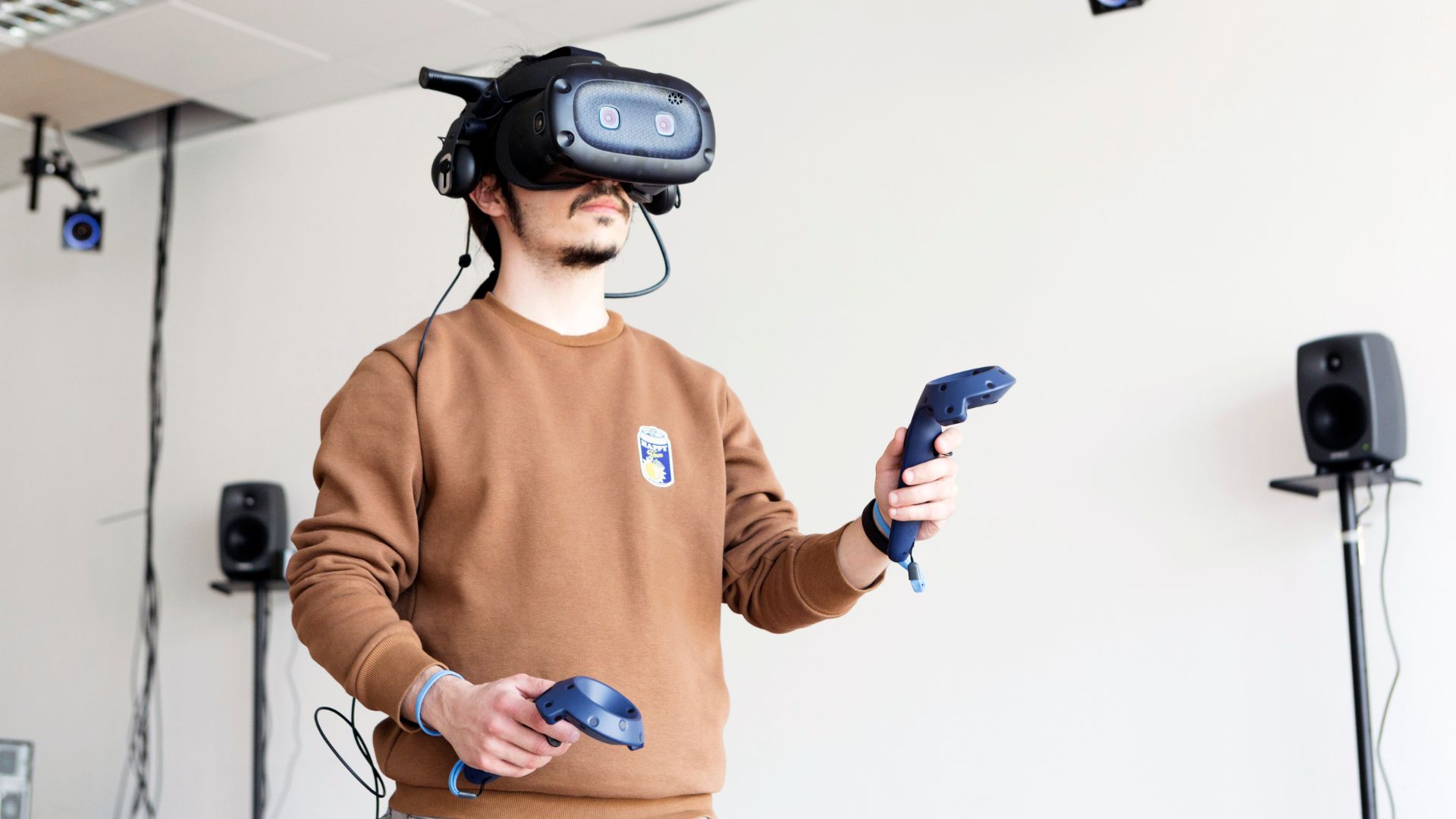
Combina IoT, dati e modellazione per migliorare i sistemi industriali digitali. Per chi è interessato a smart factory, digitalizzazione delle operations e decisioni basate sui dati.
Possibile percorso/Proposta:
Management and Digitalization + Laboratory of Internet of Things + Industrial systems modeling.
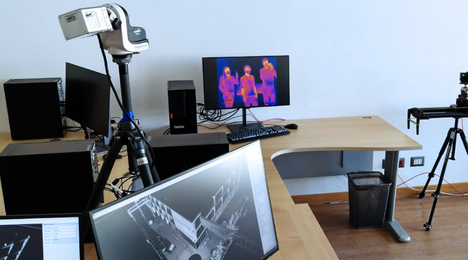
Approfondisce la gestione di sistemi produttivi, logistica e complessità legata alla varietà di prodotto. Per chi vuole lavorare su produzione e miglioramento dei processi industriali.
Possibile percorso:
Management and Digitalization + Industrial systems modeling + Product variety management.
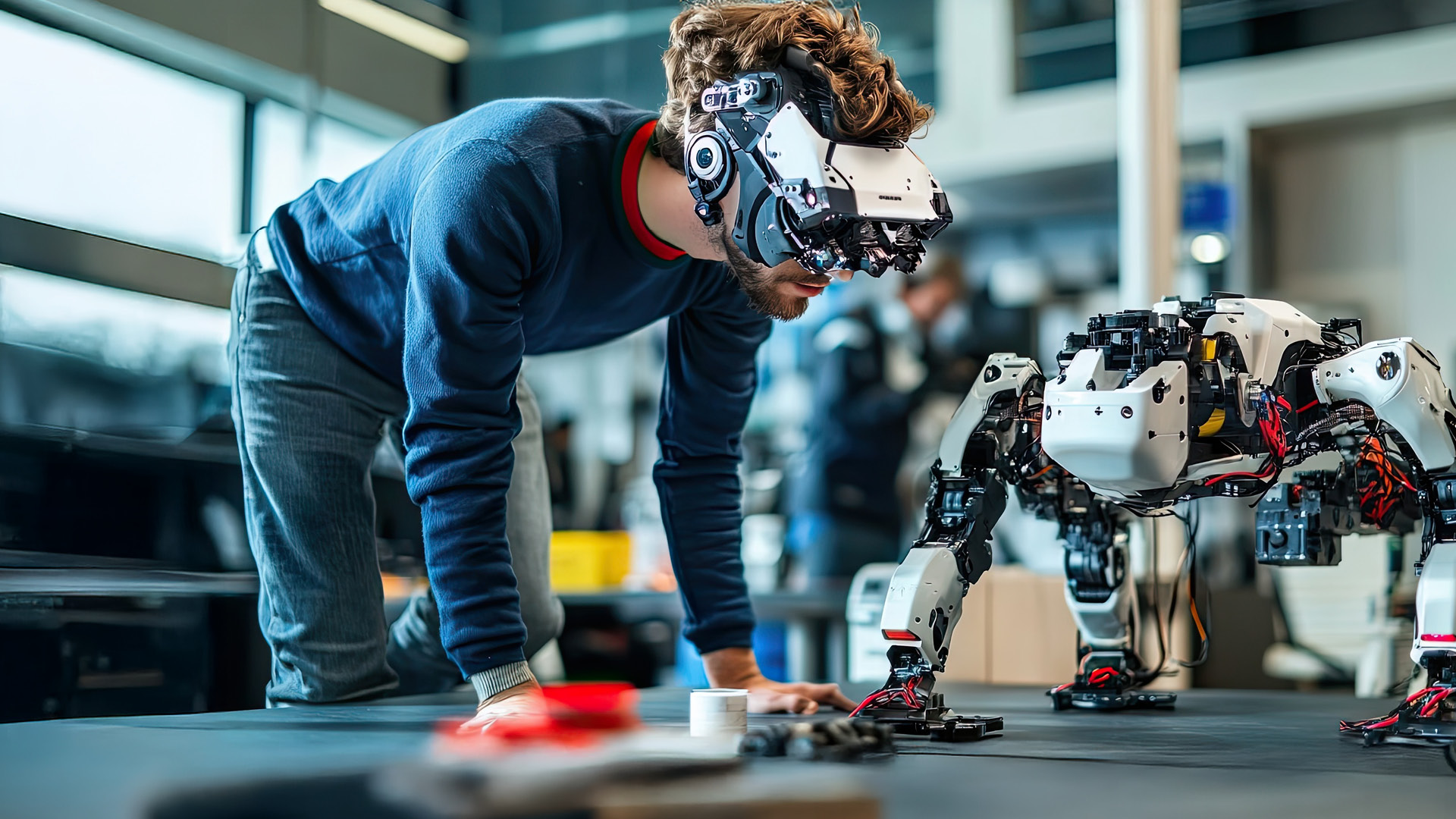
Si concentra su materiali sostenibili, riciclo ed economia circolare. Per chi vuole progettare e gestire prodotti e processi industriali tenendo conto dell'impatto ambientale.
Possibile percorso:
Design and Sustainability + Circular economy for materials processing + Recycling and sustainable materials (corsi offerti dalla laurea magistrale in Materials Engineering).
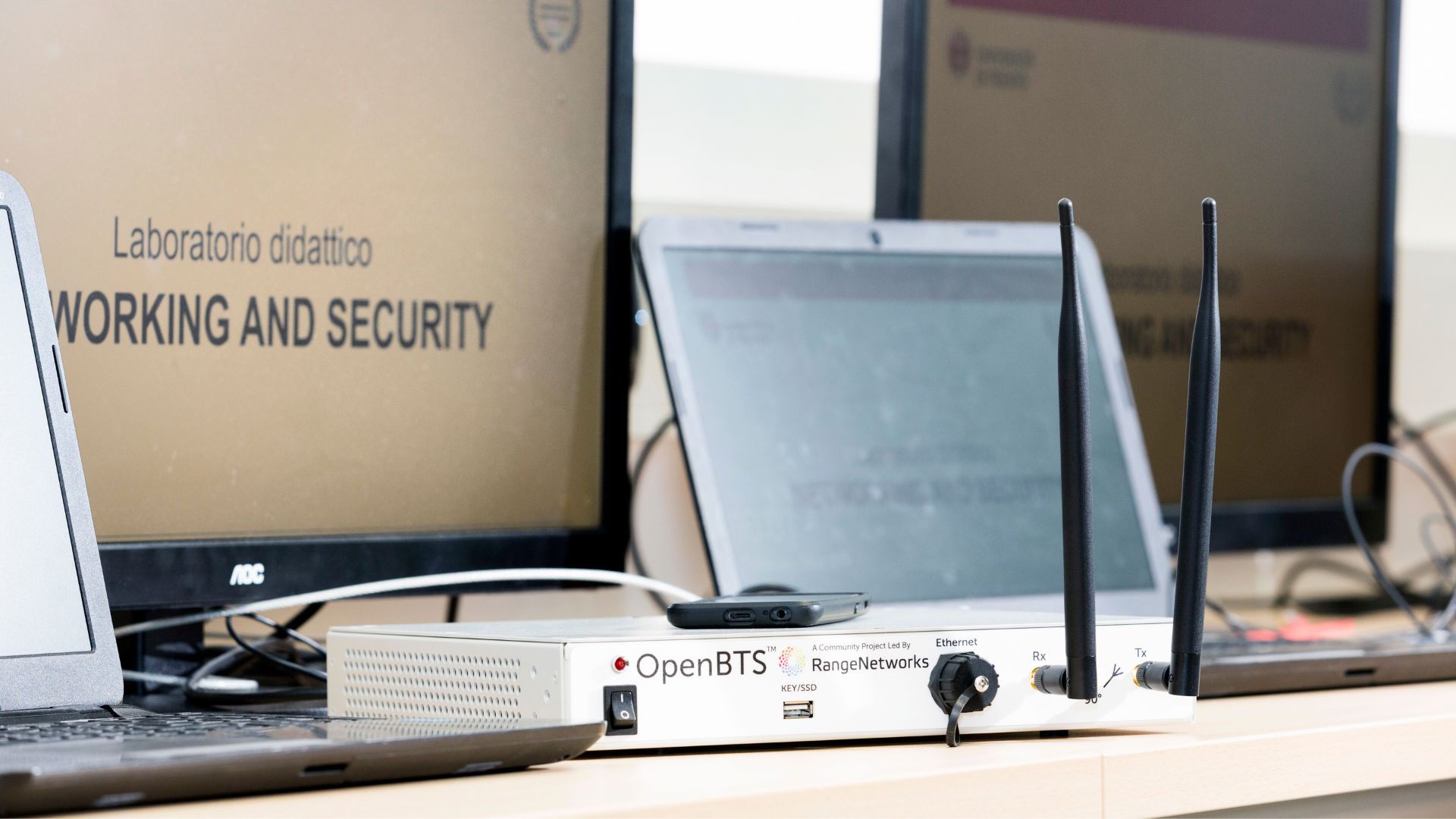
Integra design, materiali e strumenti avanzati per la progettazione tecnica di prodotto. Per chi vuole dare un taglio più tecnico al curriculum Design and Sustainability.
Possibile percorso:
Design and Sustainability + Design of precision systems + Modeling and design with finite elements (corsi offerti dalla laurea magistrale in Intelligent Mechatronics Engineering).
What you'll study
-
Advanced manufacturing and sustainable products
12 CFU - code 146006
-
Decision and risk analysis
6 CFU - code 146008
-
Digital production and logistics systems
12 CFU - code 146004
-
Dynamics in systems and networks
12 CFU - code 146007
-
Organizations, human resources and innovation
12 CFU - code 146005
-
Project management
6 CFU - code 146014
-
Enterprise information system
6 CFU - code 145489
-
Final project
15 CFU - code 140458
-
Financial analysis and performance management
6 CFU - code 146012
-
Machine learning
6 CFU - code 146015
-
Optimization models and algorithms
6 CFU - code 145534
-
Quality and innovation engineering
6 CFU - code 140473
-
Circular economy for materials processing
6 CFU - code 145572
-
Design of precision systems
6 CFU - code 146113
-
Distributed robot perception
6 CFU - code 146042
-
Industrial systems modeling
6 CFU - code 145530
-
Laboratory of Internet of Things
6 CFU - code 145782
-
Modeling and design with finite elements
6 CFU - code 140431
-
Product variety management
6 CFU - code 146284
-
Recycling and sustainable materials
6 CFU - code 145486
-
Advanced manufacturing and sustainable products
12 CFU - code 146006
-
Decision and risk analysis
6 CFU - code 146008
-
Digital production and logistics systems
12 CFU - code 146004
-
Dynamics in systems and networks
12 CFU - code 146007
-
Organizations, human resources and innovation
12 CFU - code 146005
-
Project management
6 CFU - code 146014
-
Engineering system design
6 CFU - code 146009
-
Final project
15 CFU - code 140458
-
Financial analysis and performance management
6 CFU - code 146012
-
Materials selection for engineering design
6 CFU - code 146011
-
Strategic product design
6 CFU - code 146013
-
Sustainable materials management
6 CFU - code 146010
-
Circular economy for materials processing
6 CFU - code 145572
-
Design of precision systems
6 CFU - code 146113
-
Distributed robot perception
6 CFU - code 146042
-
Industrial systems modeling
6 CFU - code 145530
-
Laboratory of Internet of Things
6 CFU - code 145782
-
Modeling and design with finite elements
6 CFU - code 140431
-
Product variety management
6 CFU - code 146284
-
Recycling and sustainable materials
6 CFU - code 145486
In the first year of the Master's programme in Management and Industrial Systems, you will attend lectures in the disciplines that characterise management and industrial systems engineering, such as
- Digital Production and Logistics Systems
- Organisations and Change Management
- Human resources and innovation
- Advanced Manufacturing and Sustainable Products
- Dynamics in systems and networks
- project management
- Decision and risk analysis.
Upon graduation, you will be able to
- Apply tools and methods for the design and management of complex industrial systems
- Apply advanced quantitative techniques to support decision making
- Manage the key digital and artificial intelligence technologies underpinning the new industrial revolution
- Apply methods for promoting, developing and managing innovation
- quantitatively assess the environmental sustainability of industrial products and processes.
Il corso in 6 competenze
As well as attending lectures in the classroom, you will also have the opportunity to take part in
- Challenges with companies to solve real-world problems
- Laboratory experiences where you can try out the skills you have learnt
- Seminars where you can observe elements of corporate culture
- Internships in industries and institutions of national and international importance.
Career Opportunities
Once you have completed your Master's degree in Management and Industrial Systems Engineering, you will be able to work independently or in collaboration with others on the management and development of innovative and complex projects. You will also be able to work in specific business functions such as production, logistics, organisation and human resources.
Some of the roles you could perform are related to
- Managing industrial production and logistics systems
- Automation of production processes
- the selection and implementation of industrial technologies, including those of digital derivation
- Using and supervising the implementation of artificial intelligence algorithms in industry
- the assessment of the environmental sustainability of industrial products and processes
- Quality assurance and related certification processes.
After gaining some work experience, your role could grow and you could take on responsibilities such as
- Production plant manager
- Logistics platform manager
- Leader of a multidisciplinary team
- Manager of technological innovation projects
- Contact person for process quality
- Expert in intelligent manufacturing and artificial intelligence in industry
- Sustainability manager
The main areas of employment for graduates of the Master's degree in Management and Industrial Systems Engineering are
- the whole manufacturing and industrial sector
- Manufacturing and processing industries
- Logistics services and supply chains
- Business and management consultancy
- Traditional services (transport, distribution, procurement)
- Advanced services (banking and insurance, IT, telecommunications) and public administration.
- the liberal professions, subject to passing the State examination and registration.
According to ISTAT classifications, the Master's Degree in Management and Industrial Systems Engineering contributes to the training of industrial and management engineers.
Further Studies
The Master in Management and Industrial Systems Engineering will prepare you for any postgraduate studies, even at international level.